


In a time of economic uncertainty, Americans are bracing themselves for rising inflation pressures, with recent surveys indicating that consumers expect higher prices to persist in the coming years.
According to the latest data from the New York Federal Reserve’s Survey of Consumer Expectations, inflation expectations among U.S. households have ticked up, underscoring concerns that the battle against rising costs is far from over.
Consumers Brace for Higher Costs
The survey, conducted in January 2025, reveals that the median expectation for rising inflation over the next year stands at 4.2%, up from 3.9% in the previous quarter. More alarmingly, three-year and five-year inflation expectations have also edged higher, reflecting deep-seated concerns that inflation is not merely a short-term issue but a structural challenge facing the U.S. economy.
“The public’s expectations play a crucial role in shaping economic behaviour,” says Mark Davidson, a senior economist at the Federal Reserve Bank of New York. “When consumers anticipate sustained price increases, they adjust their spending and wage demands accordingly, which in turn can fuel the very inflation they fear.”
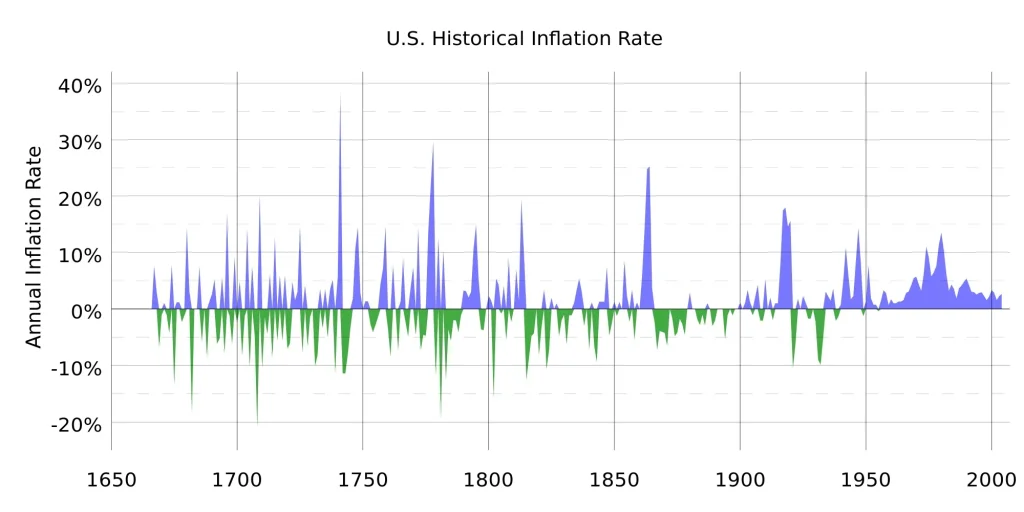
Why Are The Rising Inflation Expectations?
Several key factors have contributed to consumers’ growing concerns about inflation:
- Persistent Cost of Living Increases – The cost of essentials such as housing, food, and healthcare continues to rise at a pace that outstrips wage growth for many Americans. Rent prices have surged, and grocery bills remain stubbornly high despite efforts by policymakers to curb inflationary pressures.
- Energy Prices and Global Uncertainty – Fluctuations in global oil prices, exacerbated by geopolitical tensions and supply chain disruptions, have kept gasoline and utility costs elevated. This has contributed to higher transportation and production costs, which businesses often pass on to consumers.
- Labor Market Pressures – A tight labour market has driven up wages, especially in sectors like hospitality, retail, and healthcare. While wage growth benefits workers, businesses often compensate by raising prices to maintain profit margins, creating an ongoing inflationary cycle.
- Federal Reserve Policy and Interest Rates – Despite the Fed’s aggressive rate hikes in 2023 and 2024 to tame inflation, the central bank has indicated a cautious approach to cutting interest rates too soon. As a result, borrowing costs remain high for mortgages, credit cards, and business loans, which could further complicate economic stability.
Impact on Households and Businesses
For everyday Americans, rising inflation expectations mean tighter household budgets. Many families are already feeling the pinch, adjusting their spending habits by cutting back on discretionary purchases, delaying major expenditures, or seeking out cheaper alternatives for everyday needs.
“It’s getting harder to save money,” says J Collins, a middle-class worker from Chicago. “Even though I got a raise last year, I feel like I’m spending more than ever just to maintain the same lifestyle. Everything from groceries to insurance premiums keeps going up.”
Businesses, too, are struggling to navigate the inflationary environment. Many small business owners have had to increase prices to keep up with higher supply costs, leading to potential decreases in consumer demand. Larger corporations, while more resilient, are also facing higher wage pressures and raw material costs.
“Companies are walking a fine line,” explains J Hartman, an economic strategist at Wells Fargo. “If they raise prices too aggressively, they risk losing customers. If they absorb costs, profit margins shrink. It’s a delicate balancing act.”
The Fed’s Dilemma: How Will Policymakers Respond?
The Federal Reserve’s primary goal has been to bring inflation down to its target of 2%. However, the latest inflation expectations data complicates the central bank’s decision-making process. If inflation remains stubbornly high, the Fed may be forced to keep interest rates elevated for longer, which could slow economic growth and increase the risk of a recession.
Fed Chair Jerome Powell has acknowledged the challenges ahead, emphasizing that the central bank will closely monitor incoming data before making any adjustments to monetary policy. “We are committed to ensuring that inflation does not become entrenched,” Powell stated in a recent press conference. “The path forward will require patience, discipline, and data-driven decision-making.”
What’s Next for Consumers?
With inflation expectations, financial experts recommend that consumers take proactive steps to protect their purchasing power. Some key strategies include:
- Budgeting Wisely – Tracking expenses and cutting non-essential spending can help mitigate the impact of rising prices.
- Exploring Investment Options – Investing in inflation-protected securities, such as Treasury Inflation-Protected Securities (TIPS), can help preserve wealth.
- Negotiating Wages – As labour demand remains strong in certain industries, employees may have leverage to negotiate higher salaries to keep up with inflation.
- Refinancing Debt – Given the possibility of prolonged high interest rates, locking in lower rates on loans or paying down high-interest debt can be a smart financial move.
Conclusion
While the rising inflation has moderated from the historic highs seen in 2022, the latest data suggests that Americans remain wary of its long-term effects. As households and businesses adjust to this new economic reality, the Federal Reserve faces a tough challenge in balancing growth with inflation control.
For now, consumers are left with few choices but to adapt to rising costs and hope that policymakers can steer the economy toward a more stable path. Whether inflation expectations will continue to rise—or if they can be reined in through effective policy measures—remains a critical question for the months ahead.


